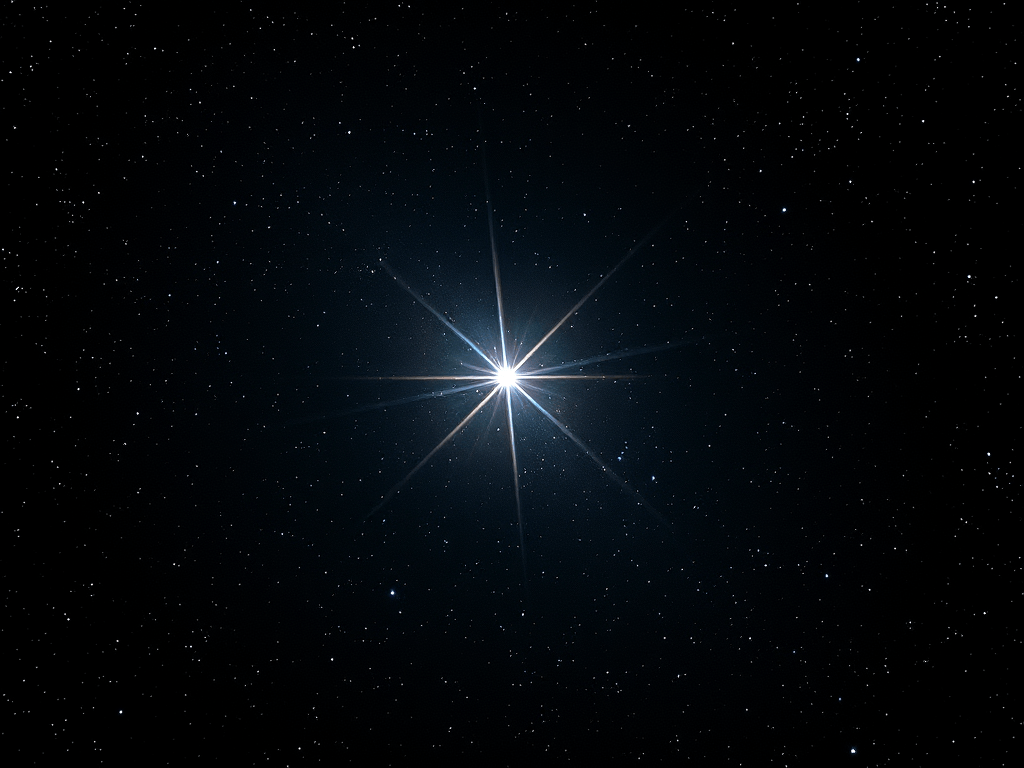
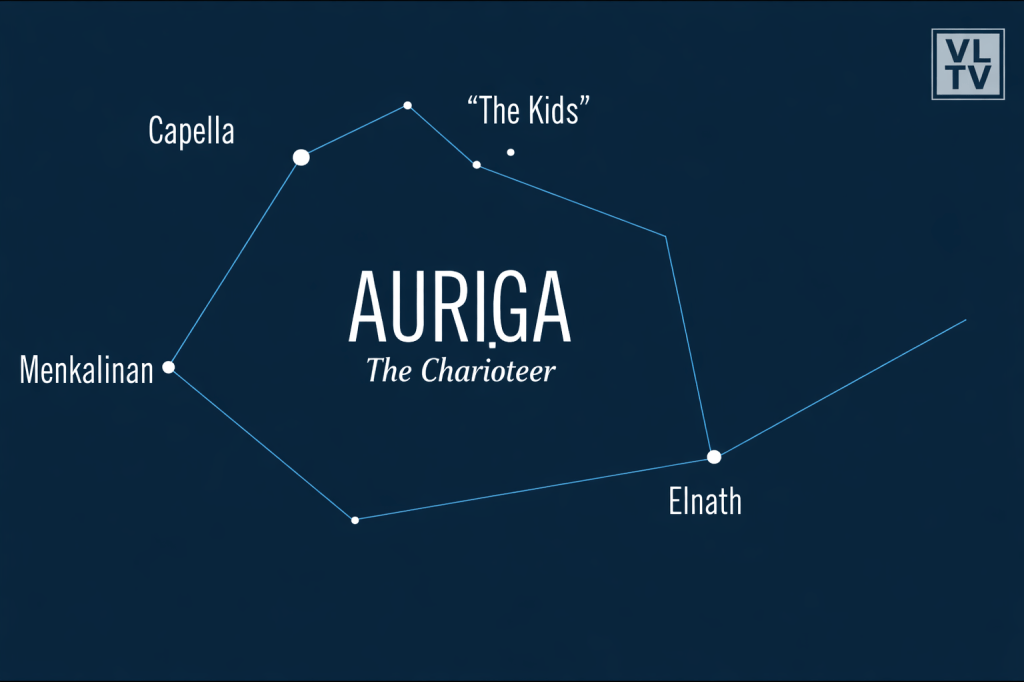
The bright star Capella, located in the constellation Auriga (the Charioteer), is the leading contender for dominance of the early winter night sky. With an apparent magnitude of 0.24, Capella is one of the most luminous stars visible to the naked eye. From the Northern Hemisphere, it appears low in the northeastern sky during the early evening. Capella is sometimes known as the “Goat Star”, accompanied by a small nearby asterism traditionally referred to as “the Kids.”
During the transition from late autumn into early winter, have you ever looked up at the brightest stars in the sky and wondered: what is that star flickering in red and blue?
In fact, there are three prominent bright stars that are especially eye-catching in the coming months due to their brightness and striking color scintillation: Capella in Auriga, Arcturus in Boötes, and Sirius—also known as the Dog Star—in Canis Major.
Capella, with an apparent magnitude of 0.24, ranks as the sixth-brightest star in the night sky. It sits low in the northeastern sky during the early evening hours. Step outside and look toward the northeast—if you see a brilliant, shimmering star, you are almost certainly looking at Capella.
If you were able to travel to this star system, you would discover that Capella is not a single star but a binary system composed of two stars with surface temperatures comparable to that of the Sun, yet significantly larger and far more luminous.
Why Do Stars Twinkle and Change Color?
In reality, all stars twinkle in much the same way as Capella. The light from every star must pass through Earth’s atmosphere before reaching our eyes. However, not all stars appear to twinkle as dramatically at a given time. Capella currently lies low above the horizon, meaning that when we observe it, we are looking through a greater column of atmosphere than when observing an object near the zenith.
Earth’s atmosphere acts as a turbulent, refractive medium, dispersing and refracting starlight in a manner analogous to how a prism separates sunlight into its constituent colors. This atmospheric dispersion causes stars like Capella to appear to flash green, red, and blue, even though these colors are not intrinsic to the star itself.
Another Remarkable Star: Arcturus
Another notable star is Arcturus, the brightest star in the constellation Boötes (the Herdsman). Arcturus is an orange giant star, currently visible in the northwestern sky during the early evening. It can be easily located if you are familiar with the nearby Big Dipper asterism.
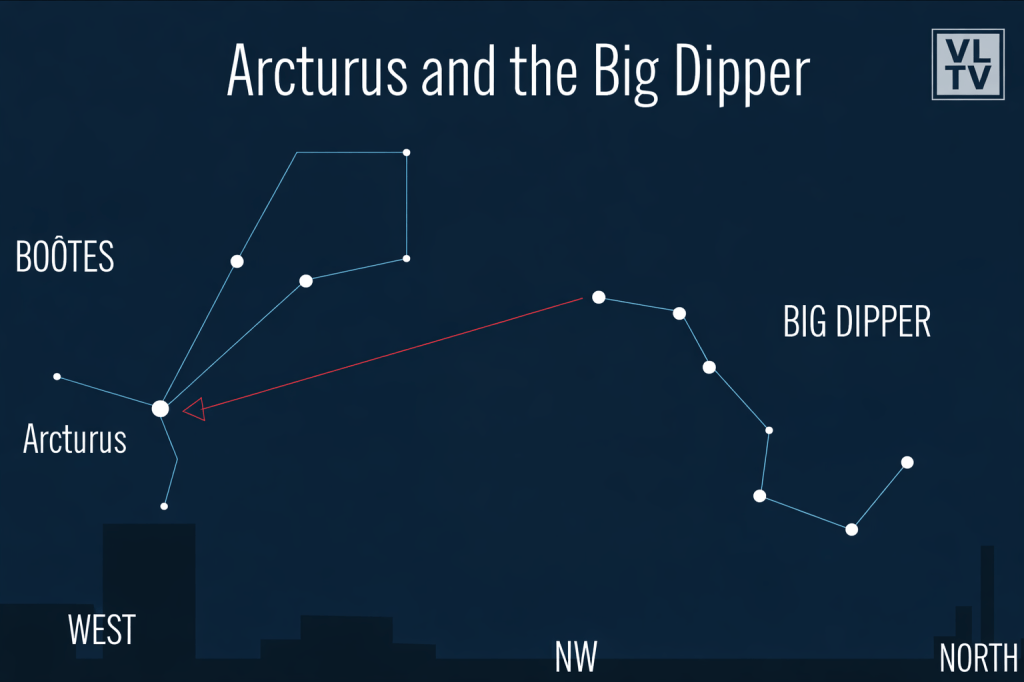
Although Arcturus has a brightness comparable to Capella, there is an important difference: Capella is rising and remains visible throughout the night, whereas Arcturus is setting and is increasingly affected by twilight illumination as it approaches the horizon.
The Third Contender: Sirius
The third and most famous contender is Sirius, widely regarded as the brightest star in the night sky.
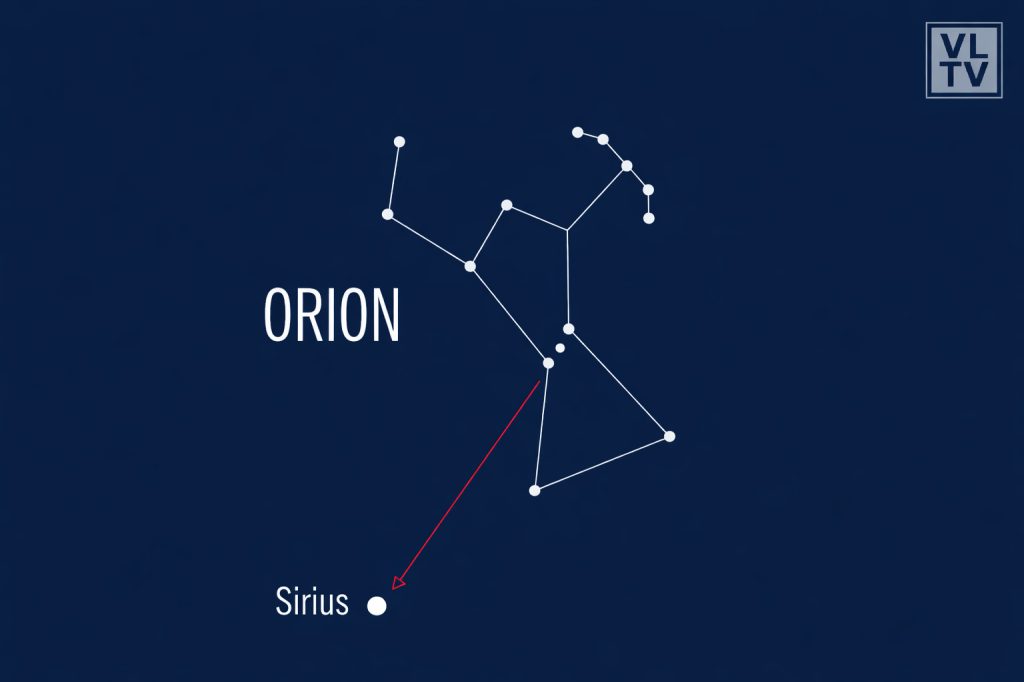
Also known as the Dog Star, Sirius is the brightest star in the constellation Canis Major and holds the distinction of having the greatest apparent magnitude of any star visible from Earth. Sirius is particularly famous for its intense color scintillation, often flashing vivid hues as it twinkles. At present, Sirius can be found low in the northern sky shortly before dawn.
A Final Note on Stellar Colors
All stars exhibit multicolored scintillation because starlight contains the full spectrum of visible wavelengths. As this light traverses Earth’s atmosphere, it is refracted and dispersed into different colors. However, in most cases, this effect goes unnoticed simply because most stars are not bright enough to reveal these color variations to the naked eye. Only exceptionally luminous stars—such as Sirius, Arcturus, and Capella—display this phenomenon prominently.
 Khanh's Gallery
Leave a comment